
“I support women in healing from trauma and anxiety, understanding the patterns that keep them stuck, and reconnecting with the confidence, clarity, and freedom to live more fully as themselves.”
About Nadine
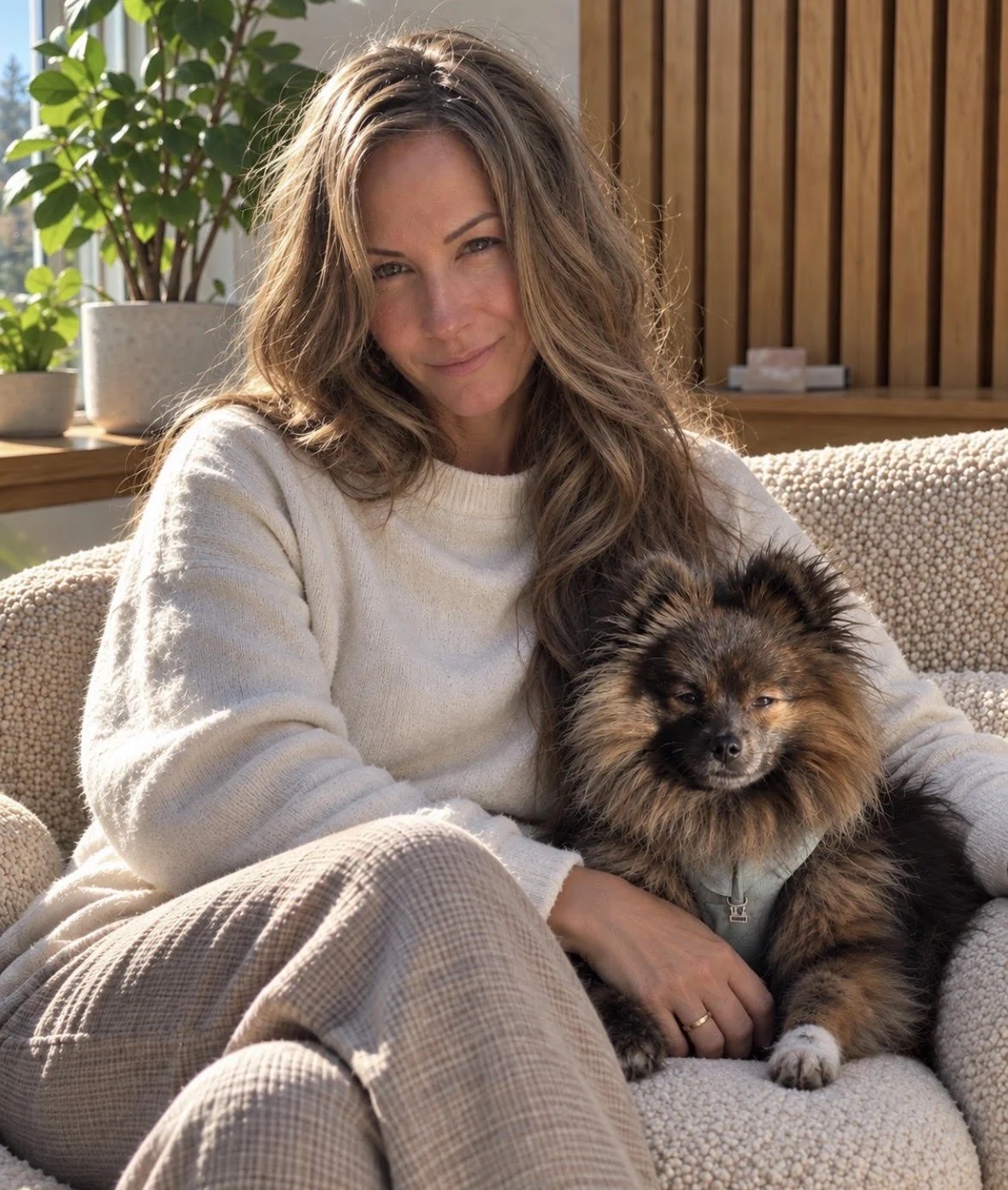
Nadine Ferguson, MACP, RCC, CCC, BSN, RN
Trauma-Informed Counsellor in Victoria, BC and Online Across British Columbia
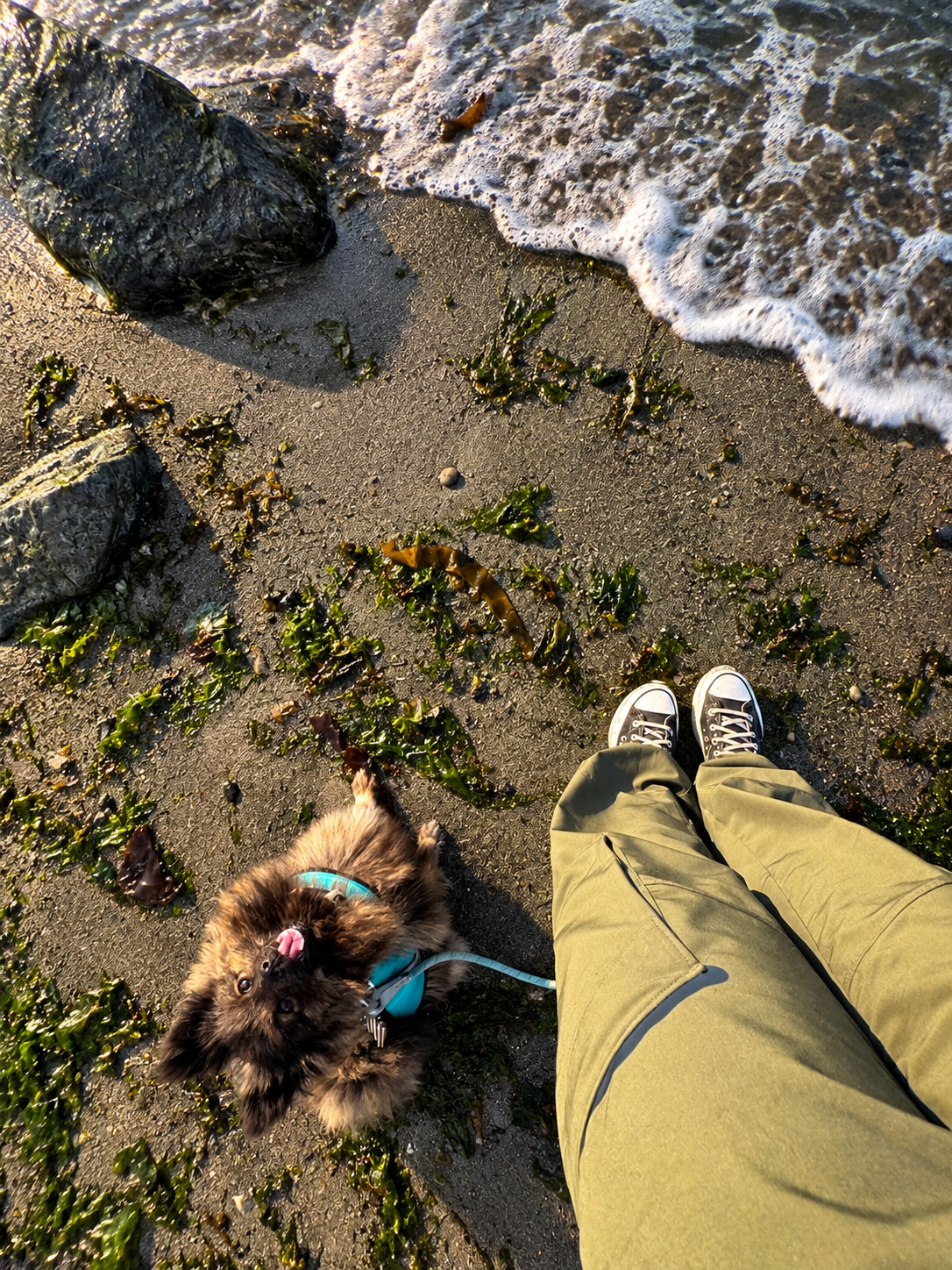
I am a Registered Clinical Counsellor (RCC), Canadian Certified Counsellor (CCC), Registered Nurse (RN), and founder of Shapes of Water Wellness. I hold a Master of Arts in Counselling Psychology from Yorkville University and a Bachelor of Science in Nursing. My background includes more than a decade of nursing experience in emergency and mental health crisis care. I support adolescents, adults, women, individuals, and couples experiencing anxiety, trauma, relationship challenges, life transitions, grief, emotional overwhelm, and patterns that no longer feel helpful. I offer Walk-and-Talk counselling in Victoria, BC, and online counselling across British Columbia.
Education & Credentials
Education
Master of Arts in Counselling Psychology, with Distinction – Yorkville University
Bachelor of Science in Nursing, with Great Distinction
Critical Care Nursing Specialty, with Distinction
Professional Designations
Registered Clinical Counsellor (RCC)
Canadian Certified Counsellor (CCC)
Registered Nurse (RN)
Member of the British Columbia Association of Clinical Counsellors (BCACC)
Member of the Canadian Counselling and Psychotherapy Association (CCPA)
Specialized Training
Accelerated Experiential Dynamic Psychotherapy (AEDP)
Emotionally Focused Therapy for Individuals and Couples (EFIT/EFT)
Internal Family Systems (IFS)-Informed Therapy
Observed Experiential Integration (OEI)
Trauma-Informed Practice
Applied Suicide Intervention Skills Training (ASIST)
San’yas Indigenous Cultural Safety Training

Professional Background
I began my nursing career in 1998 and have spent much of my professional life working alongside people during vulnerable, uncertain, and often life-changing moments. My background includes emergency, critical care, palliative care and mental health crisis nursing, experiences that have deeply shaped the way I understand resilience, connection, and the importance of feeling genuinely seen and supported.
Along the way, I spent six years living in China and other parts of Asia. That chapter of my life broadened my perspective on culture, identity, relationships, and the many different ways people make meaning of their experiences.
Together, these experiences continue to shape the way I work as a therapist: with curiosity, compassion, openness, and respect for the whole person.
How I work
If you’ve been feeling disconnected in your relationship, overwhelmed by the demands of parenting, carrying too much for everyone else, or unsure how to move forward, therapy can offer a place to understand what is happening with more compassion and less judgment.
My approach is trauma-informed, attachment-focused, and experiential. I draw from Accelerated Experiential Dynamic Psychotherapy (AEDP), Emotionally Focused Therapy for Individuals and Couples (EFIT/EFT), Internal Family Systems (IFS)-informed work, and other experiential approaches. I also bring my background in emergency and mental health nursing into the way I understand stress, emotional regulation, crisis, and the nervous system.
Together, we explore the patterns that show up in relationships, parenting, and everyday life, including the ways old experiences can shape how we respond to the people we care about most. The goal is to help you feel more connected to yourself, more secure in your relationships, and more confident in the way you move through your life and relationships.

I Commonly Help Adults With
Trauma and PTSD
Anxiety
Divorce and separation
Co-parenting challenges
Work stress and burnout
Parenting stress
Relationship difficulties
Grief and loss
Emotional overwhelm
Life transitions
Counselling for Healthcare Professionals
A space for the people who spend so much of their lives caring for others.
Healthcare professionals are often expected to remain steady in circumstances that are anything but ordinary. The demands of caring for others, navigating complex systems, and witnessing suffering can accumulate in ways that are not always easy to recognize or explain.
With nearly three decades of nursing experience, including emergency nursing and mental health crisis care, I understand the unique pressures of working in healthcare. The difficult shifts, the moments that stay with you, the emotional weight of responsibility, and the expectation to keep showing up, even when you're running on empty.
I offer counselling for nurses, physicians, paramedics, and other healthcare professionals navigating burnout, compassion fatigue, moral distress, anxiety, trauma-related experiences, relationship challenges, and life transitions.
Our work is not simply about finding ways to cope with the demands of your profession. It is also about reconnecting with the parts of yourself that can become difficult to access when so much of your energy is directed toward others.
You don't have to be the one holding everything together here.

Why I Became a Counsellor
I became a counsellor because I’ve always believed one of my superpowers is bringing out the truest version of people.
I’ve always been curious about people, what makes them who they are, what sits underneath the things they do, and what becomes possible when someone feels safe enough to really be themselves. I love those moments when a person sees something in themselves differently, sometimes for the first time.
For years, nursing gave me the privilege of being with people during some of the most vulnerable moments of their lives. It taught me that there is almost always more to someone’s story than what we see on the surface. Behaviour makes more sense when we understand what came before it. So do the ways we protect ourselves, the relationships we struggle with, and the patterns we can’t seem to change.
Becoming a counsellor felt like a natural extension of that. I wanted the time and space to go deeper, to understand the person, not just the moment they were in.
I thought becoming a counsellor would help me become even better at something I already loved doing: helping people understand themselves, recognize their strengths, and reconnect with parts of themselves that may have become lost along the way.
It did. And I genuinely love this work.